
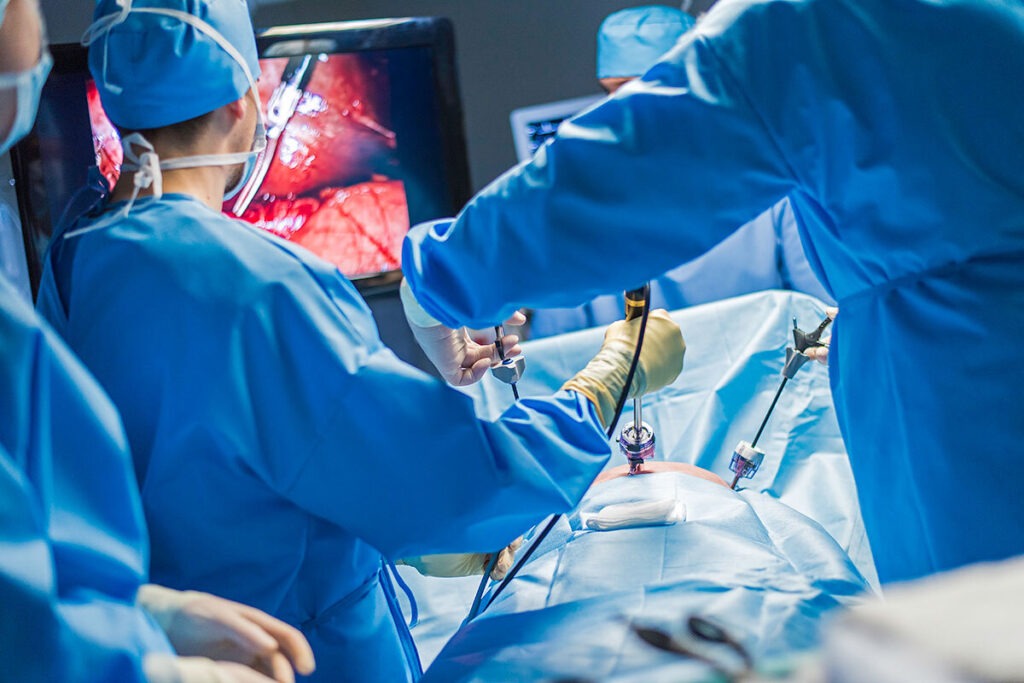
Laparoscopic surgery is a modern minimally invasive surgical technique used to diagnose and treat a wide range of medical conditions. Instead of large surgical incisions, this approach uses small cuts and a camera-guided system to perform precise operations inside the body.
This technique has become a preferred option in many medical fields due to its potential benefits, including faster recovery, reduced scarring, and shorter hospital stays.
Understanding how laparoscopic surgery works helps patients make informed decisions when discussing treatment options with their doctor.
What is Laparoscopic Surgery?
Also known as keyhole surgery, this method involves using a thin tube called a laparoscope that contains a camera and light source.
The surgeon inserts this instrument through a small incision, allowing real-time viewing of internal organs on a monitor. Additional small instruments are used to perform the required surgical treatment.
This approach is widely used in abdominal and pelvic procedures because it minimizes trauma to surrounding tissues.
How the Procedure Works
Although steps may vary depending on the condition, the general process includes:
- Small incisions made in the abdomen
- Carbon dioxide gas used to expand the surgical area
- Camera inserted for internal visualization
- Specialized instruments used for treatment
- Closure of incisions after completion
The method allows surgeons to operate with improved precision and visibility.
Common Uses in Modern Surgery
Minimally invasive techniques are used across multiple specialties.
Some common applications include:
Gallbladder Conditions Treated with Laparoscopic Surgery
Removal of the gallbladder may be recommended for patients with gallstones or inflammation.
Women’s Health Conditions
This approach is frequently used for conditions such as:
- Ovarian cysts
- Endometriosis
- Uterine fibroids
- Pelvic adhesions
- Chronic pelvic pain
In gynecology, it is valued for both diagnosis and treatment.
Appendix Removal
It is also commonly used in emergency cases of appendicitis, allowing faster recovery compared to traditional surgery.
Hernia Repair
Selected hernia cases can be treated using minimally invasive techniques depending on severity and location.
Benefits of Minimally Invasive Surgery
Patients and doctors often prefer this approach due to several advantages:
Smaller Incisions
The procedure uses small cuts instead of large openings, resulting in less visible scarring.
Faster Recovery
Many patients experience shorter recovery periods and may return to daily activities sooner depending on their condition.
Less Postoperative Pain
Reduced tissue damage often leads to lower levels of discomfort after surgery.
Shorter Hospital Stay
Some procedures allow patients to go home earlier compared to traditional open surgery.
Conditions That May Be Treated
This surgical approach may be recommended for:
- Gallstones
- Endometriosis
- Fibroids
- Ovarian cysts
- Appendicitis
- Hernias
- Abdominal diagnostic evaluation
Suitability depends on individual medical assessment.
Preparation Before Surgery
Before the procedure, doctors may guide patients on:
- Medical history review
- Medication adjustments
- Pre-surgical tests
- Fasting instructions
- Expected outcomes and risks
Proper preparation helps ensure safety and effective results.
Recovery Process
Recovery time varies depending on the type of procedure and overall health condition.
Common post-surgery experiences include:
- Mild abdominal discomfort
- Temporary bloating
- Fatigue
- Minor soreness around incision sites
Doctors usually provide instructions for:
- Wound care
- Medication usage
- Activity limitations
- Follow-up appointments
Following medical advice supports smoother healing.
Risks and Considerations
Although generally safe, all surgical procedures carry some risks, such as:
- Infection
- Bleeding
- Anaesthesia reactions
- Injury to nearby organs
- Conversion to open surgery in rare cases
A specialist consultation is necessary to evaluate individual risk factors.
Is This Procedure Right for You?
The decision depends on:
- Type and severity of condition
- Medical history
- Overall health
- Treatment goals
- Doctor’s recommendation
A proper evaluation ensures the most suitable treatment plan.
Conclusion
Laparoscopic surgery has become an important advancement in modern medicine, offering a less invasive option for treating various abdominal and pelvic conditions.
With benefits such as smaller incisions, quicker recovery, and improved surgical precision, it continues to be widely used across multiple specialties.
Consulting a qualified specialist is the best way to determine whether this treatment approach is appropriate for your specific medical condition.