
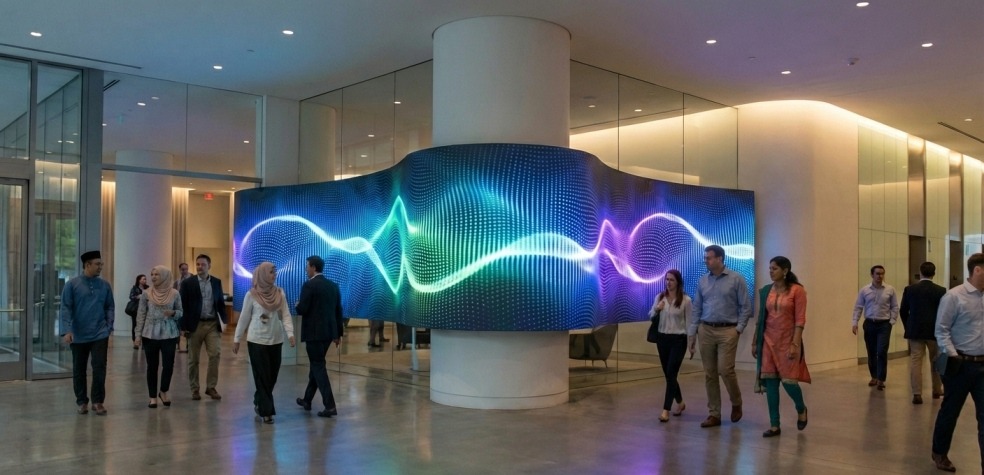
Organising a memorable event requires serious attention to visual details. Audiences expect highly engaging, larger-than-life visuals that capture their attention from the moment they arrive. Securing a reliable led screen rental can dramatically elevate the atmosphere of your gathering. Bright, dynamic displays ensure your content is visible to everyone, keeping your attendees focused and entertained.
Finding the right equipment involves much more than simply picking the biggest screen available. Event planners must navigate a variety of technical specifications, logistical hurdles, and budgeting variables to ensure a flawless execution. A mismatched screen can lead to poor visibility, blown budgets, or technical failures mid-event.
This guide breaks down exactly what you need to evaluate before signing a contract with a visual equipment provider. From understanding pixel pitch to managing setup logistics, you will learn how to make an informed decision for your next big project.
Assessing Your Event Needs
Every event has a unique set of requirements. Before you start looking at technical manuals or comparing quotes, you need a clear understanding of your physical space and your audience.
Venue Size and Layout
The dimensions of your venue dictate the physical limits of your display. A massive screen inside a low-ceilinged hotel ballroom will look cramped and overwhelming. Conversely, a small screen at an outdoor amphitheatre will leave people at the back squinting. Measure your available stage space and ceiling heights carefully. You must also account for any structural elements, like pillars or low-hanging lights, that might block the audience’s view.
Viewing Distances
The distance between your screen and your front-row audience is a critical metric. If viewers are seated just a few metres away, they need a high-resolution display so the image remains crisp. If the closest viewer is fifty metres back, you can prioritise overall size and brightness over ultra-fine detail.
Audience Demographics
Consider who is attending and what they need to see. A medical conference displaying complex charts and small text requires absolute clarity. A music festival focused on abstract colour visualisers and wide-angle camera shots relies more on scale and brightness. Understanding your audience helps you prioritise which display features actually matter.
Decoding Technical Specifications
LED terminology can feel confusing if you do not work in audio-visual production. However, understanding a few key concepts will help you communicate effectively with your rental provider.
Pixel Pitch Explained
Pixel pitch refers to the physical distance in millimetres between the centre of one LED pixel and the centre of the next. A lower pixel pitch (like 2mm) means the pixels are packed tightly together, resulting in a higher resolution. This is ideal for indoor events where people sit close to the stage. A higher pixel pitch (like 10mm) is perfectly fine for massive outdoor festival screens where the audience stands far away.
Brightness Levels (Nits)
Screen brightness is measured in nits. Indoor events typically require screens operating between 800 and 1,500 nits. If you use a screen brighter than this in a dark room, you risk blinding your audience. Outdoor events are completely different. To compete with direct sunlight, outdoor screens must output at least 4,000 to 5,000 nits.
Indoor vs. Outdoor Requirements
Outdoor screens face harsh environmental conditions. They must carry an appropriate IP (Ingress Protection) rating to ensure they are waterproof and dust-resistant. An IP65 rating is generally the standard for outdoor rentals. Indoor screens do not need this heavy weatherproofing, which makes them lighter and easier to rig, but they should never be used outside.
Evaluating Service Providers
The quality of the company supplying your screen is just as important as the equipment itself. A great provider acts as a technical partner, rather than just a delivery service.
Equipment Quality
Ask prospective vendors about the age and condition of their inventory. Older panels often suffer from dead pixels, mismatched colour calibrations, or unreliable power supplies. Request to see photos of their screens in action at recent events. High-quality providers regularly service their panels to ensure uniform colour and brightness across the entire display.
Installation Expertise
Building a large LED wall requires precision and an understanding of structural safety. Your provider must supply experienced riggers who know how to safely secure heavy panels, whether they are flown from a ceiling truss or ground-stacked on a custom frame. They should readily provide safety documentation and risk assessments.
Technical Support
Technology occasionally fails. What matters is how quickly the issue is resolved. Ensure your contract includes dedicated on-site technicians who stay for the duration of your event. If a panel drops out or a video processor glitches during a keynote speech, you need a professional ready to fix it instantly.
Budgeting and Logistics
Proper planning prevents nasty financial surprises. A quoted price for an LED wall is rarely the final cost if you have not discussed the logistical realities of your venue.
Hidden Costs
The hire price of the panels is only one part of the budget. Ask your provider to itemise their quote. Look for costs related to transportation, crew accommodation, video processing hardware, and heavy machinery hire (like forklifts or cherry pickers required for the build).
Power Requirements
LED screens consume a massive amount of electricity. A standard venue wall socket will not be enough to power a large display. You will likely need access to a dedicated 3-phase power supply. If your venue cannot support this, you must budget for heavy-duty, silenced generators and the necessary power distribution cabling.
Setup Timelines
Building a screen takes time. Discuss the ‘bump-in’ (setup) and ‘bump-out’ (pack-down) schedules with your provider. If your venue only allows access from 6:00 AM on the day of the event, your provider needs to guarantee they can build, wire, and test the screen before the doors open. Tight turnarounds often require larger crew sizes, which can increase your labour costs.
Case Studies: LED Integration in Action
Seeing how different events utilise these displays can inspire your own planning.
Corporate Conferences
A recent financial summit in London replaced traditional printed backdrops with a seamless, curved LED wall. Boasting a tight 2.5mm pixel pitch, the screen allowed presenters to showcase intricate data visualisations clearly. During breaks, the screen shifted to display animated sponsor logos, providing high-value advertising space that helped offset the event costs.
Outdoor Music Festivals
At a major summer music festival, organisers deployed massive 8mm pixel pitch outdoor screens on either side of the main stage. Pushing 5,000 nits of brightness, the screens remained perfectly visible even at midday. The robust IP65 rating meant the production team did not have to panic when a sudden rain shower hit the festival grounds.
Your Final LED Screen Checklist
Choosing the right visual setup guarantees your content leaves a lasting impression. By taking the time to understand your venue, familiarise yourself with technical terms, and vet your suppliers, you eliminate the stress of event-day technical failures.
Before signing off on your rental agreement, run through this quick checklist:
- Have you measured the venue and calculated the minimum viewing distance?
- Did you specify whether the event is indoors or outdoors to get the correct brightness and IP rating?
- Have you confirmed the venue can supply adequate 3-phase power?
- Does the quote include transportation, rigging, and on-site technical support?
Armed with this information, you can confidently secure a rental service that aligns with your vision and budget. Start reaching out to reputable audio-visual partners early in your planning process to ensure you get the best equipment available for your event dates.